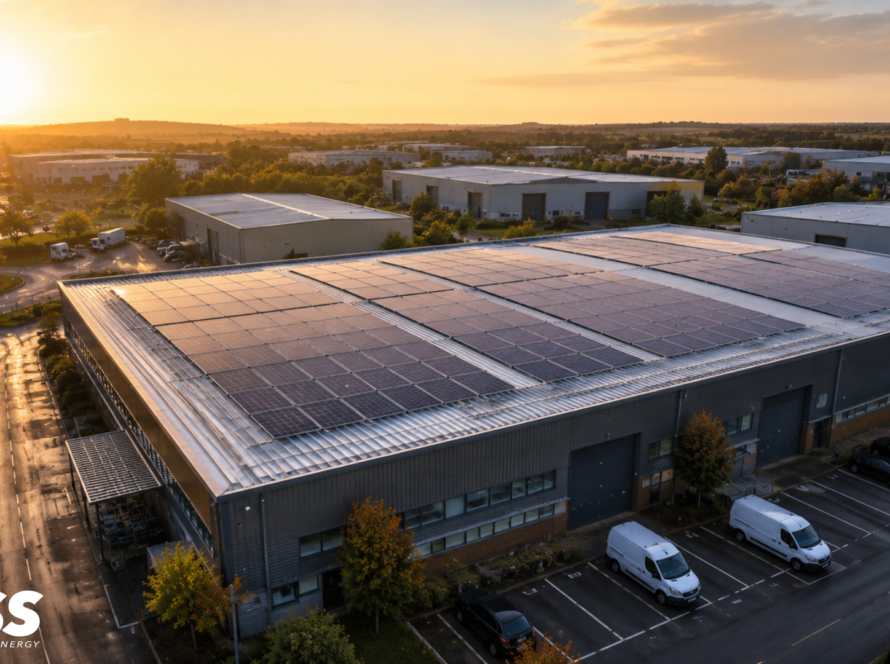
Solar panels are a great way to convert energy from the sun into electricity. They are becoming increasingly popular with home owners as they offer a clean, renewable and cost-effective source of energy. But how do solar panels actually work? Let’s take a look.
How Solar Panels Work
Solar panels are made up of many individual cells that convert sunlight into electricity. These cells contain silicon atoms and when light hits them it causes electrons to move around, producing an electric current. The strength of the current depends on the intensity of the light hitting the cell, so in direct sunlight the current is strongest.
The electric current is then transferred through wires to an inverter which converts it from Direct Current (DC) to Alternating Current (AC). This AC power can be used immediately or stored in batteries for use later on.
Solar Panels Benefits
Solar panels have many benefits including being able to generate free electricity once they have been installed, making them cost effective over time. They also reduce your carbon footprint by using clean energy from the sun rather than relying on fossil fuels like coal or natural gas which create harmful emissions that damage our environment. Finally, solar panel systems can increase the value of your property since buyers are looking for homes with renewable energy sources these days.
Solar panels offer an excellent way to reduce your reliance on traditional sources of electricity while also reducing your carbon footprint and increasing property values at the same time. By converting energy from the sun into usable electricity, solar panels can provide you with clean and cost-effective power for years to come! Whether you’re looking to save money on your utility bills or make your home more environmentally friendly, solar panels may be just what you need!