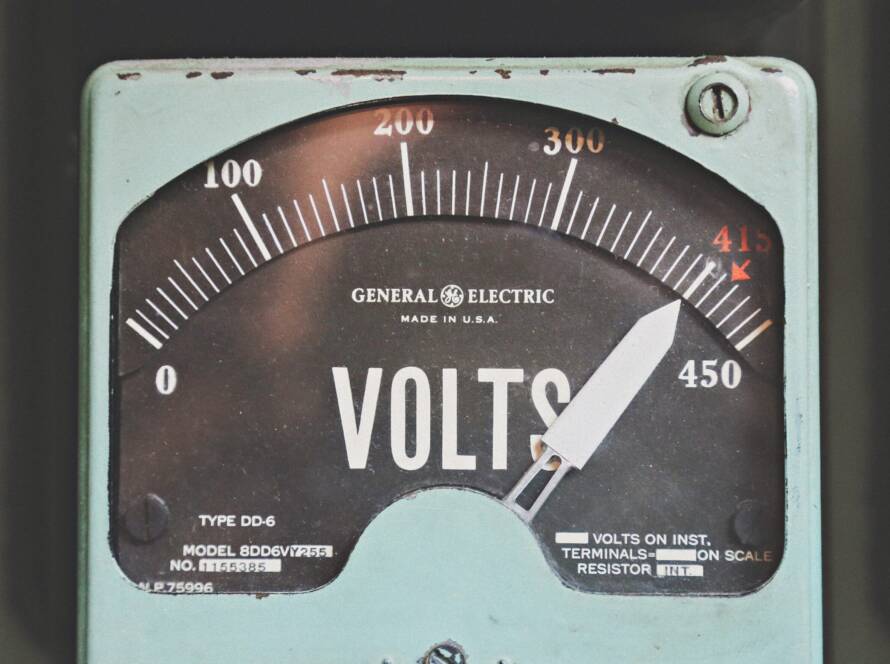
Power prices on the rise again!
The UK is particularly exposed to the energy crisis sweeping across the world – partly due to its dependence on gas for heating and electricity generation and poorly-insulated housing stock. After predictions that annual household bills were due to rise from around £1,000 to £3,500 in October 2022, the government announced it would provide support for households and businesses. There has never been a better time to change to solar power, with battery backup storage, saving you up to 90% of your energy costs. Power prices on the rise again!
Why have energy prices increased so much?
Prior to Russia’s full-scale invasion of Ukraine in February 2022 there was an increase in demand for oil and gas as economies around the world came out of lockdown. Supply did not keep pace with the higher demand for various reasons. Increased gas prices fed through to increased electricity prices.
The Russian invasion of Ukraine in 2022 caused oil and gas prices to jump due to concerns about disruption to supply. Sanctions on Russia, the embargo on Russian oil, a potential embargo on Russian gas and cuts in Russian gas supply to Europe have pushed oil and gas prices up further still. The price of electricity produced form gas has increased in line with gas prices and effectively sets the price for all power on wholesale markets. Lower electricity production in some sectors have also helped to push up power prices. Drought in parts of Europe led to lower hydroelectric output and a large number of French Nuclear reactors were offline in late summer.
How will price rises affect lower income households?
Spending on energy varies less by income than any other spending category. This means lower income households have to spend a much larger share of their family budgets on energy than higher income groups. Recent sharp increases in energy prices will have a disproportionate impact on lower income households.
The April 2022 price cap and Energy Price Guarantee level from October suggest that it would cost the poorest 20% of households an additional £1,000-1,100, and pensioner households around an additional £1,400, to use as much energy in financial year 2022-23 as they did in 2020‑21. This is before the extra support the Government has announced is taken into account.
Source Article: https://commonslibrary.parliament.uk/research-briefings/cbp-9491/