Climate change is one of the defining challenges of our time, and understanding how to reduce your carbon footprint has never been more important. For homeowners and businesses across the UK, reducing carbon emissions no longer means sacrificing comfort or increasing costs. Modern renewable energy solutions provide some of the best ways to reduce carbon footprint while also lowering energy bills.
But how can we reduce carbon footprint in real, measurable terms? And what difference can solar panels, heat pumps, battery storage, and EV charging actually make?
This guide explains the most effective methods to reduce carbon footprint, backed by UK data, and shows how renewable energy plays a central role in long-term carbon reduction.
What Is a Carbon Footprint?
A carbon footprint measures the total greenhouse gases released as a result of daily activities, mainly through energy use, heating, transport, and electricity consumption. For most households and organisations, energy use represents the largest opportunity for reducing carbon footprint.
In the UK:
- The average household produces 5–6 tonnes of CO₂ per year
- Over 60% of emissions come from energy use
- Businesses often produce far more due to scale and operating hours
Understanding these figures is the first step in learning how to reduce carbon footprint effectively.
Why Energy Use Creates Such a Large Carbon Footprint?
Energy production still relies heavily on fossil fuels. Burning gas, coal, or oil releases carbon stored underground for millions of years. This is why energy reduction remains one of the best ways to reduce carbon footprint for both homes and businesses.
Renewable energy uses natural flows such as sunlight, wind, and heat, producing power with little to no direct emissions.
Key contributors to energy-related emissions
- Grid electricity generated from gas-fired power stations
- Gas boilers for space and water heating
- Diesel or petrol generators
- Inefficient energy systems and poor insulation
Even with grid decarbonisation, reducing demand and generating clean energy onsite remain essential methods to reduce carbon footprint.
How Carbon-Intensive Is UK Grid Electricity?
UK grid electricity currently emits 180–200g of CO₂ per kWh, depending on demand and generation mix. This explains why switching to renewables is one of the most effective ways to reduce your carbon footprint.
Real-world impact
- A home using 3,600 kWh annually produces 650–720 kg of CO₂
- A small business using 50,000 kWh emits 9–10 tonnes of CO₂
- A commercial site using 500,000 kWh emits 90–100 tonnes of CO₂
Replacing grid electricity with renewable generation directly supports reducing carbon footprint at source.
How Much Carbon Can Renewable Energy Really Cut?
Switching to renewable energy can reduce emissions by 40% to over 90%, depending on the technologies installed and existing energy use. These systems represent some of the best ways to reduce carbon footprint available today.
Solar, wind, and renewable heating systems replace fossil fuels and deliver immediate, measurable results.
How Much Carbon Can Solar Panels Reduce?
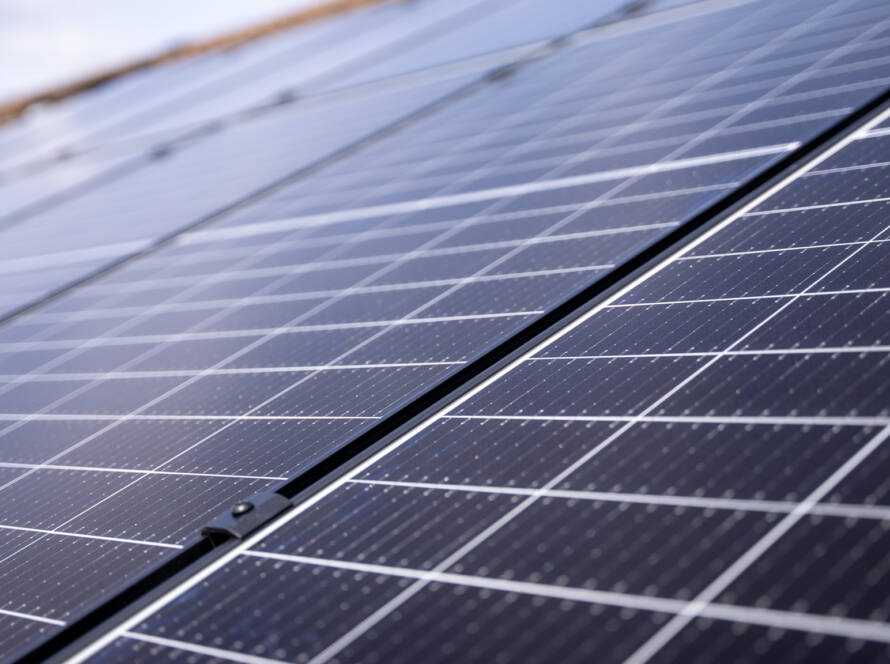
Solar panels are among the most popular ways to reduce carbon footprint for UK homes and businesses. They can reduce electricity-related emissions by 60–95%, depending on system size and usage patterns.
| Property Type | System Size | Annual CO₂ Reduction |
|---|---|---|
| Average home | 4 kWp | 1.3–1.6 tonnes |
| Small business | 20 kWp | 7–9 tonnes |
| Commercial site | 250 kWp | 85–100 tonnes |
Over a 25-year lifespan, a home solar system can prevent 35–40 tonnes of CO₂, making it one of the most effective ways to reduce your carbon footprint long term.
How Much Carbon Can Wind Energy Reduce?
Wind energy reduces carbon emissions by up to 98% compared to fossil fuels. For organisations avoiding grid electricity, wind power is one of the best ways to reduce carbon footprint at scale.
A commercial wind system producing 1 million kWh annually can offset 180–200 tonnes of CO₂ per year, supporting significant carbon footprint reduction.
How Much Carbon Can Renewable Heating Reduce?
Heating is responsible for nearly 40% of UK emissions, which is why upgrading heating systems is a key method to reduce carbon footprint.
| Heating System | CO₂ Reduction vs Gas |
|---|---|
| Air source heat pump | 55–65% |
| Ground source heat pump | 70–80% |
| Solar thermal | 40–60% |
| Biomass boiler |
85–90% |
Replacing gas boilers is one of the best ways to reduce carbon footprint in homes.
How Much Carbon Can Homes and Businesses Reduce?
Average UK Home
A typical home using solar panels and a heat pump can reduce emissions by 2–4 tonnes per year, making these some of the most effective ways to reduce your carbon footprint.
SMEs and Commercial Buildings
Many ask how can companies reduce their carbon footprint quickly and affordably. The answer often lies in renewable energy.
SMEs can reduce emissions by 20–100 tonnes annually using solar, heat pumps, and efficiency upgrades.
Why companies see fast results
- High daytime electricity usage
- Large roof space
- Predictable energy demand
Renewables often become one of the best ways to reduce carbon footprint for businesses.
The Combined Effect: Moving Towards a Carbon-Neutral Property
Combining multiple technologies delivers the highest impact and represents the best ways to reduce carbon footprint for modern properties.
| Renewable Solution | Annual CO₂ Reduction |
|---|---|
| Solar panels | 1.3–1.8 tonnes |
| Heat pump | 1.6–2.4 tonnes |
| Battery storage | 0.3–0.6 tonnes |
| EV charging using solar | 2.0–3.0 tonnes |
| Total | 5.2–7.8 tonnes |
Ways to Reduce Carbon Footprint in the Car
Transport remains a major emissions source. Key ways to reduce carbon footprint in the car include:
- Switching to electric vehicles
- Charging EVs using solar power
- Reducing unnecessary journeys
- Improving driving efficiency
Charging an EV with solar energy can reduce transport emissions by up to 90%, making it one of the smartest ways to reduce carbon footprint.
How Quickly Does Renewable Energy Reduce Carbon?
Renewable systems reduce emissions immediately once operational. Most systems offset manufacturing emissions within 1–3 years, after which they deliver decades of net carbon savings.
This makes renewable energy one of the most reliable methods to reduce carbon footprint available today.
What Are the Best Ways to Reduce Carbon Footprint?
The most effective approach combines multiple actions:
Best-practice carbon reduction strategy
- Improve insulation and efficiency
- Replace fossil fuel systems
- Generate renewable energy onsite
- Store excess energy
- Monitor and optimise usage
This layered approach answers both how can we reduce carbon footprint and how can companies reduce their carbon footprint in a practical way.
Taking Action: Your Path to Carbon Reduction
Ready to reduce your carbon footprint and join the renewable energy revolution? Here’s how to get started:
- Get a Free Consultation: Contact our certified team to assess your home’s renewable energy potential
- Choose Your Solutions: Select from solar panels, heat pumps, battery storage, EV charging, and eco boilers
- Professional Installation: Our MCS, NAPIT, and HIES certified technicians complete most installations in 1-3 days
- Enjoy 10 Years of Support: We provide comprehensive maintenance and support for a decade
Real Impact, Real Savings, Real Change
Every solar panel installed, every heat pump fitted, and every EV charged with renewable energy represents a step toward a sustainable future. Our customers across Southend-on-Sea, Castle Point, Brentwood, Colchester, Basildon, Chelmsford, and Harlow are already experiencing the dual benefits of lower bills and a cleaner conscience.
The question isn’t whether renewable energy can reduce your carbon footprint—the data proves it can, dramatically. The question is: when will you start making a difference?
Get Started Today
At Bliss Eco Energy, we’ve completed several hundred installations since our founding, each one contributing to a cleaner, greener South East. With 5-star customer satisfaction ratings and a team of fully qualified technicians, we make the transition to renewable energy seamless.
Contact us today:
Southend: 01702 933388
Basildon: 01268 218120
Medway: 01634 984846
Visit our office at 76 London Road, Southend-On-Sea, Essex SS1 1PG.
Together, we can reduce carbon footprints one home at a time, creating a sustainable future for our families and our planet.
Ready to calculate your potential carbon savings? Get in touch for a personalised assessment of how much your home could reduce its environmental impact with renewable energy.
Conclusion
Renewable energy provides some of the best ways to reduce carbon footprint in the UK. Whether for homes, vehicles, or businesses, well-designed systems deliver immediate carbon savings, long-term resilience, and a clear path towards net zero.
If you are serious about reducing carbon footprint, renewable energy is no longer optional—it is essential.
Last updated: February 2026
Frequently Asked Questions
Q1. How much carbon does renewable energy save compared to fossil fuels?
Ans: Renewable energy typically reduces carbon emissions by 70–98%, depending on the technology and application.
Q2. Can renewable energy eliminate my carbon footprint entirely?
Ans: In many cases, yes, for energy-related emissions. Transport and supply chain emissions may still require reduction or offsetting.
Q3. Is renewable energy effective in the UK climate?
Ans: Yes. Modern systems perform reliably in UK weather and deliver consistent carbon savings year-round.
Q4. Does battery storage increase carbon reduction?
Ans: Yes. Batteries increase self-consumption and reduce reliance on grid electricity during peak carbon periods.
Q5. How quickly will I see carbon savings?
Ans: Carbon savings begin immediately once the system starts generating energy.
Q6: How can companies reduce carbon footprint quickly?
Ans: Using a combination of solar, heat pumps, battery storage, and efficiency upgrades often delivers the fastest results.
Q7: Which renewable technology delivers the highest carbon reduction?
Ans: The combined use of solar panels, heat pumps, and battery storage typically delivers the most significant impact.