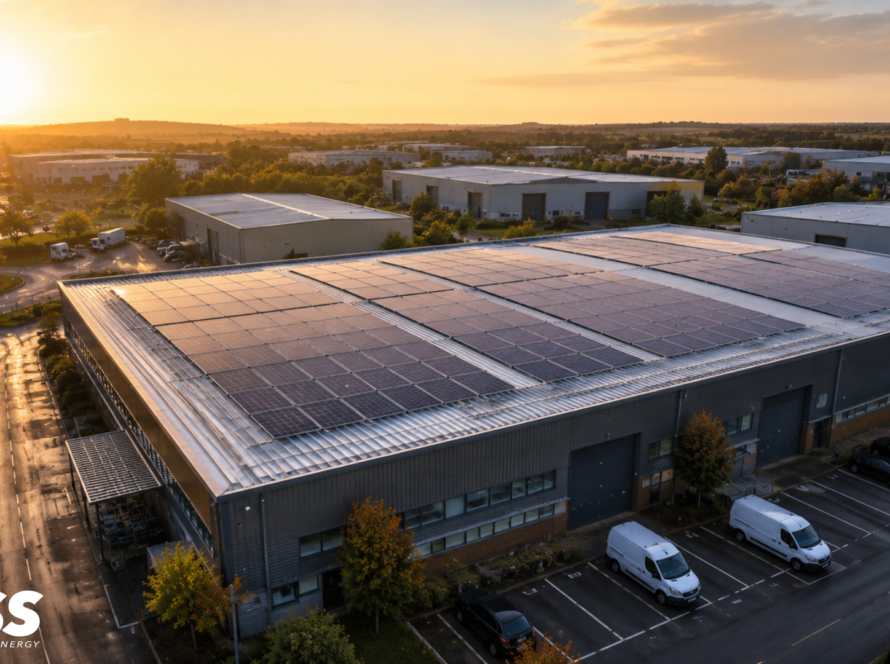
How UK Businesses Can Cut Costs with Commercial Solar Battery Storage
Energy costs across the UK have become a major concern for businesses of every size. With unpredictable price rises, grid instability, and growing sustainability targets, companies are now searching for long-term, reliable, and cost-effective solutions to control their energy usage. One technology now reshaping the commercial energy landscape is commercial solar battery storage. This system allows businesses to not only generate their own renewable electricity but also store it for later use—offering powerful savings, greater energy independence, and improved resilience.
In this comprehensive guide, we explore how UK businesses can reduce energy expenses with commercial solar battery storage, why it has become an essential investment for modern organisations, and how this technology supports both financial and environmental goals.
Understanding Commercial Solar Battery Storage
Commercial solar battery storage is a system that stores excess electricity produced by solar panels. Instead of exporting unused energy back to the grid at low rates, businesses can keep this energy onsite and use it when needed—especially during peak tariff periods.
A commercial battery system typically includes:
- Solar PV panels
- A battery bank (lithium-ion being the most common)
- A smart inverter
- Intelligent energy management software
This combination allows businesses to:
- Generate clean energy during daylight hours
- Store surplus power
- Use stored energy at strategic times
- Reduce reliance on the national grid
As energy costs remain volatile in the UK, commercial solar battery storage has become an essential tool for achieving long-term savings and stability.
Why UK Businesses Are Turning to Solar Battery Storage
1. Rising Energy Prices
Electricity prices in the UK have fluctuated dramatically in recent years, creating financial strain for industries, offices, warehouses, retail units, and commercial properties. With no guarantee of price reductions, businesses are taking control of their energy supply through solar and battery storage solutions.
2. Increasing Demand for Sustainability
More companies are being held accountable for their carbon footprint. Customers, investors, and partners now expect businesses to show a genuine commitment to environmental responsibility. Solar energy and battery systems offer a clear, measurable way to reduce carbon emissions.
3. Grid Instability and Power Outages
Power cuts and grid pressures have become more common. For some businesses—such as data centres, manufacturing facilities, healthcare settings, and retail operations—an outage can result in substantial financial loss. Commercial battery storage provides onsite backup power for critical operations.
4. Government Support and Incentives
The UK government continues to promote renewable energy adoption through grants, tax benefits, and schemes that encourage energy-efficient upgrades. Commercial solar battery systems often qualify for these incentives, further reducing upfront and operational costs.
How Commercial Solar Battery Storage Helps Businesses Cut Costs
1. Reducing Energy Bills with Stored Solar Power
One of the biggest advantages of commercial battery storage is the ability to use stored solar energy during peak tariff times—when electricity from the grid is most expensive. Instead of paying higher rates during busy business hours, companies can rely on their stored, free renewable energy.
For example:
- Solar power is produced during the day
- Excess energy is stored rather than exported
- That stored energy is used during evenings or high-demand periods
This strategy significantly lowers monthly electricity bills.
2. Minimising Peak Demand Charges
Many UK businesses face additional charges based on periods of high electricity usage. These “peak demand” fees can increase operational costs substantially. Commercial battery storage helps offset peak loads by releasing stored energy whenever demand spikes.
3. Reducing Dependence on the Grid
Businesses that depend heavily on the grid are vulnerable to cost fluctuations and supply interruptions. By generating and storing their own electricity, companies gain greater control over their energy future.
4. Supporting Load Shifting
Load shifting refers to using energy stored during low-demand periods at times of high demand. With a smart battery system, businesses can strategically manage usage throughout the day, ensuring major appliances, machinery, or HVAC systems operate at minimal cost.
5. Maximising Solar Panel ROI
Solar panels alone already reduce energy bills, but pairing them with commercial battery storage dramatically increases return on investment. Instead of exporting excess electricity back to the grid for minimal financial return, businesses get full value by using stored energy onsite.
6. Providing Emergency Backup Power
Power outages can cause:
- Downtime
- Lost productivity
- Damaged equipment
- Loss of refrigeration or heating
- Disrupted customer service
A commercial solar battery system instantly activates during an outage, supplying critical power and avoiding financial losses.
Which UK Businesses Benefit Most from Solar Battery Storage?
While nearly every commercial property can benefit, certain industries gain exceptional value from installing battery storage:
Warehouses and Manufacturing Sites:
These facilities often operate energy-intensive machinery and benefit from using stored energy during peak hours.
Retail Stores and Supermarkets:
Lighting, refrigeration, and heating all contribute to high bills. Battery systems lower ongoing operating costs.
Offices and Business Premises:
Commercial solar storage reduces utility bills and supports corporate sustainability targets.
Hotels and Hospitality:
Hotels operate 24/7, making energy savings crucial for profitability.
Medical and Healthcare Facilities:
Reliable backup power is essential for safety and continuity.
Farms and Agricultural Sites:
Agricultural machinery and climate control systems benefit greatly from reduced energy costs.
No matter the industry, any organisation with high electricity usage will see substantial financial benefits.
Types of Commercial Solar Battery Storage Systems
Several options are available depending on business size and energy needs:
1. Lithium-Ion Battery Storage
The most common solution—efficient, long-lasting, and ideal for commercial settings.
2. Modular Battery Systems
Allow businesses to scale up storage capacity as needed.
3. Combined Solar and Battery Packages
All-in-one systems are designed for seamless integration.
4. Hybrid Inverter Solutions
These systems simultaneously manage solar, battery, and grid energy.
Your installer can recommend the best setup based on daily energy consumption, available roof space, and operational requirements.
Installation Considerations for UK Businesses
When investing in commercial solar battery storage, businesses should consider:
Energy Usage Patterns:
Analysing peak usage helps determine the right system size.
Solar Panel Output:
The amount of energy produced affects how much can be stored daily.
Available Space:
Batteries can be wall-mounted or floor-mounted, but proper ventilation and safety regulations must be followed.
Integration with Existing Systems:
Most modern battery systems are compatible with existing solar PV setups.
Long-Term Benefits Beyond Cost Savings
1. Lower Carbon Footprint
Switching to solar energy and battery storage helps businesses drastically reduce emissions. This supports CSR strategies and appeals to eco-conscious customers.
2. Enhanced Energy Security
Stored power ensures stability during outages or grid fluctuations.
3. Improved Business Reputation
Consumers are increasingly choosing businesses that prioritise sustainability.
4. Future-Proofing Against Energy Price Rises
Once installed, solar and battery systems protect businesses from unpredictable tariff increases for years to come.
Conclusion
The future of energy is changing, and UK businesses are rapidly adopting commercial solar battery storage as a way to stay ahead. With rising electricity costs, growing sustainability demands, and the need for reliability, battery storage offers clear, measurable financial benefits.
From reducing monthly bills to protecting against outages and increasing energy independence, the advantages are undeniable. Businesses investing in this technology today are not only saving money but also building a stronger, greener, and more resilient future.
Frequently Asked Questions
Q1. How much can a UK business save with commercial solar battery storage?
Ans: Savings vary based on your energy usage, system size, and tariff structure. Many businesses cut their annual electricity bills by 30–60% when combining solar panels with battery storage.
Q2. Do commercial properties need planning permission for battery storage?
Ans: In most cases, small to medium-sized commercial battery systems fall under permitted development. Larger installations may require approval depending on size and placement.
Q3. Can solar batteries work during a power cut?
Ans: Yes. Many commercial systems include backup functions that automatically activate during an outage, keeping essential operations running.
Q4. How long does a commercial battery system last?
Ans: Modern commercial solar batteries last between 10 and 15 years, depending on usage patterns and manufacturer specifications.