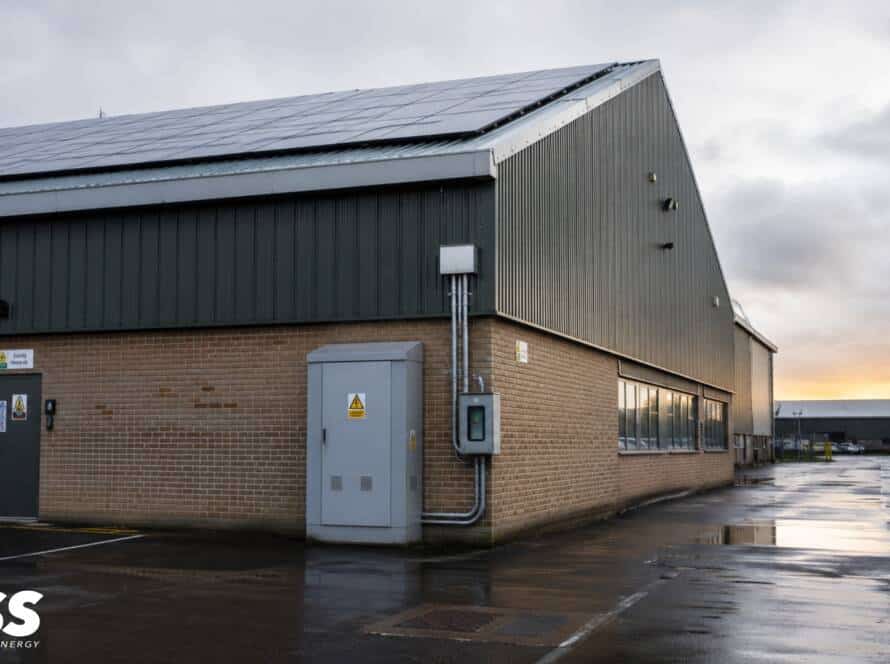
Solar energy is the smart choice for commercial buildings because it reduces operating costs, increases energy independence, supports sustainability goals, and provides long-term financial returns. It offers stable, clean power, protects businesses from rising utility prices, and strengthens environmental reputation.
What Makes Solar Energy a Smart Investment for Commercial Buildings?
Solar energy reduces electricity bills, stabilises long-term energy costs, and increases a building’s sustainability value. Commercial properties benefit the most due to higher daytime energy usage and large roof areas ideal for solar panels.
Commercial buildings typically operate during peak daylight hours. This matches perfectly with solar power generation, allowing businesses to rely less on the grid and more on clean, self-generated energy. Over time, the financial gains become substantial:
- Lower annual electricity costs
- Improved profit margins
- Reduced exposure to volatile energy markets
- Increased property value
Many UK businesses now prioritise solar energy for commercial buildings because it aligns with ESG goals, something customers, clients, and investors value more each year.
How Does Solar Energy Reduce Operational Costs?
Solar power lowers electricity bills by generating clean energy on-site. Businesses buy less electricity from the grid, which reduces monthly operating expenses.
Commercial roofs are usually large and flat, making them perfect for high-output solar arrays. The bigger the system, the more energy it generates—leading to bigger savings.
Example:
A medium-sized warehouse installing a 100 kW solar system can reduce its annual energy bill by 40–70%. Over 25 years (typical panel lifespan), the savings often exceed £500,000.
Cost Reduction Areas
- Daytime energy consumption
- Demand charges (for large commercial facilities)
- Long-term grid usage
- Maintenance costs (solar has minimal upkeep)
With rising electricity prices in the UK, these savings become even more attractive.
Why Is Solar Energy Perfect for Large Commercial Roofs?
Large roofs allow larger solar arrays, which produce higher energy output and greater cost savings.
Many commercial buildings, factories, supermarkets, office complexes, warehouses, hotels, and schools have expansive flat or slightly sloped roofs. These structures offer:
- Easy installation
- Optimal panel tilt
- Minimal shading
- Maximum exposure to sunlight
The more panels installed, the faster the return on investment. This is why solar energy for commercial buildings outperforms residential systems in overall value.
How Does Solar Energy Support Sustainability Goals?
Solar cuts carbon emissions, reduces reliance on fossil fuels, and strengthens corporate sustainability strategies.
Customers and investors increasingly support eco-responsible businesses. Solar energy helps companies achieve:
- Net-zero targets
- Corporate Social Responsibility (CSR) goals
- ESG performance improvements
- Green building certifications
Example:
A commercial building reducing 100,000 kWh of grid electricity annually can cut over 20 tonnes of CO₂ emissions per year.
This enhances brand reputation and makes companies more competitive in eco-conscious markets.
What Are the Key Financial Benefits of Commercial Solar?
Solar provides long-term savings, attractive ROI, and protects businesses from unpredictable energy markets.
Solar energy offers several measurable financial advantages:
1. High Return on Investment
The average commercial solar ROI is between 12% and 25%, depending on system size.
2. Long-Term Asset Value
Solar panels last 25–30 years, meaning consistent, predictable returns.
3. Protection Against Energy Price Inflation
UK energy rates have risen dramatically. Solar protects a business from these fluctuations.
4. Reduced Operational Risk
Less reliance on grid power means more energy stability.
How Can Solar Energy Increase Commercial Property Value?
A building with solar is more efficient, cheaper to operate, and more attractive to tenants or buyers.
Tenants prefer buildings with lower utility bills. Buyers prefer buildings with lower running costs. Solar boosts:
- Building efficiency rating
- Market value
- Rental appeal
- Long-term asset competitiveness
For multi-unit commercial properties or industrial estates, solar can become a major selling point.
What Are the Best Use Cases for Solar in Commercial Environments?
Solar energy is ideal for businesses with consistent daytime electricity usage.
TOP USE CASES
- Warehouses
- Office buildings
- Retail stores
- Supermarkets
- Manufacturing units
- Distribution centres
- Schools and universities
- Hotels
- Gyms and leisure centres
These facilities operate during daylight hours—precisely when solar generates the most energy.
How Can Commercial Buildings Maximise Their Solar Benefits?
Businesses maximise benefits by matching system size with energy usage, installing battery storage, and using smart energy management tools.
Steps for Maximising Solar Output
Step 1: Analyse Your Energy Consumption
Check when and how much energy your building uses. Align system size with your daytime demand.
Step 2: Use Available Roof Space Efficiently
Choose high-efficiency panels to increase power generation per square metre.
Step 3: Add Battery Storage
Store unused energy for evening operations or emergencies.
Step 4: Install a Smart Meter
Monitor usage patterns and optimise performance.
Step 5: Keep Panels Clean
Regular cleaning ensures maximum sunlight absorption.
Following these steps ensures the highest return on your solar investment.
What Are the Pros and Cons of Solar Energy for Commercial Buildings?
Pros
- Lower electricity bills
- Fast ROI
- Energy independence
- Increased property value
- Strong sustainability benefits
- Low maintenance
- Long-term reliability
Cons
- Upfront cost
- Roof suitability required
- Weather and shading can affect output
Despite minor limitations, the financial and environmental advantages outweigh the drawbacks, making solar a top-tier commercial investment.
How Long Does a Commercial Solar Installation Take?
Most commercial installations take between 1 and 4 weeks depending on system size and roof structure.
The full timeline includes:
- Site assessment
- System design
- Roof preparation
- Panel installation
- Electrical integration
- Testing and commissioning
Larger systems (500 kW+) may take slightly longer, but commercial operations typically continue without disruption.
What Does the Future Hold for Solar Energy in Commercial Buildings?
The future of commercial solar is strong, scalable, and increasingly profitable.
Several innovations are shaping the future:
- AI-powered energy management
- Smart solar inverters
- Commercial battery systems
- Solar carports
- Microgrid solutions
More businesses will adopt solar as governments push for net-zero targets. Early adopters secure the strongest financial benefits.
Example of A Mini Case Study: A Warehouse Solar Transformation
Assume that a distribution warehouse in the UK installed a 150 kW solar system.
Results After 12 Months
- Reduced grid usage by 58%
- Saved £62,000 in electricity costs
- Cut 32 tonnes of CO₂ annually
- Achieved ROI in 4.8 years
This showcases why solar energy for commercial buildings delivers both economic and environmental impact.
Frequently Asked Questions (FAQ):
Q1. How long do commercial solar panels last?
Answer: Most commercial solar panels last 25–30 years with minimal maintenance.
Q2. Is solar worth it for large commercial buildings?
Answer: Yes. Larger roofs allow larger systems, leading to higher savings and faster payback.
Q3. Can solar panels power an entire commercial building?
Answer: Yes, depending on system size, roof capacity, and daily energy usage.
Q4. Do solar panels work in cloudy UK weather?
Answer: Yes. Panels still generate electricity from diffused sunlight and remain effective year-round.